
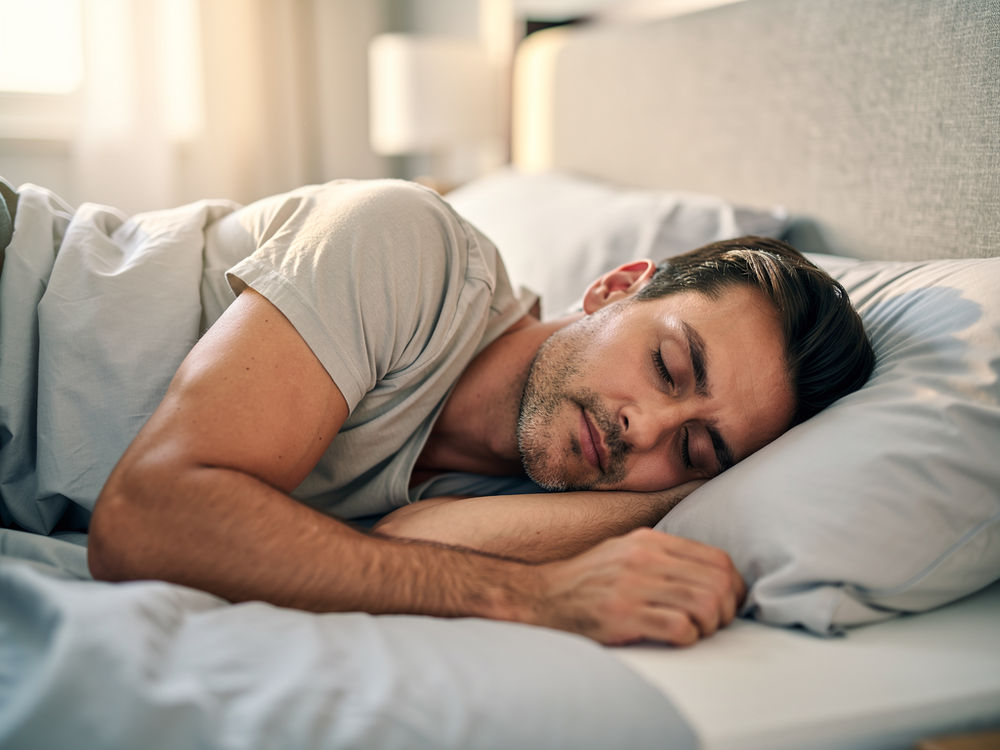
If you're in your 30s and have noticed your morning erections fading, accompanied by a stubborn fatigue that coffee can't fix, you're not alone in searching for answers. While the immediate fear often points to early erectile dysfunction, a more insidious and frequently overlooked culprit is gaining serious attention in men's health circles: undiagnosed sleep apnea. This isn't merely about poor sleep or loud snoring. It's about a direct physiological assault that disrupts the very biological processes responsible for your nightly restoration and morning vitality. Recent clinical discussions are highlighting this link as a critical, yet often missed, early warning sign for younger, otherwise healthy men who don't fit the stereotypical profile.
What Morning Erections Reveal About Your Health
Morning erections, or nocturnal penile tumescence, are a fundamental biomarker of your body's internal systems operating in harmony. They are a non-sexual, automatic event that occurs primarily during the REM (Rapid Eye Movement) stage of sleep. This phase is not just for dreaming; it's a period of intense neurological activity and physical repair. During REM sleep, your brain consolidates memories, and your body triggers a natural surge in testosterone production alongside increased blood flow. The presence of a morning erection is a reliable signal that your neurological pathways, vascular health, and hormonal rhythms are synchronized. Its absence, therefore, is rarely an isolated sexual issue. It's a tangible flag that one of these core systems—often the sleep architecture that governs them—is compromised.
Restore Your Vitality, Reclaim Your Sleep

Discover how addressing sleep apnea can revitalize your energy levels.
The Hidden Causes of No Morning Erections in Your 30s
For a man in his 30s, the disappearance of morning wood is too often dismissed as a simple byproduct of stress or the first whispers of aging. While psychological pressure and lifestyle factors play a role, the combination of persistent fatigue and absent erections points to a deeper, systemic disruption. The primary physical culprits typically fall into three categories: hormonal imbalances, compromised vascular function, and sleep architecture disorders. It's this last category, particularly obstructive sleep apnea (OSA), that is most commonly misdiagnosed or ignored in younger, active men. They may attribute their constant tiredness to a demanding job, never connecting the dots between their fatigue no erections upon waking stressed 30 year old men describe and a treatable medical condition.
Let's explore how sleep disorders can impact overall vitality. natural testosterone boosters safe with blood pressure meds over 40 can also play a role.
Sleep Apnea's Impact on Morning Erections
Sleep apnea executes a direct, two-pronged attack on the mechanism that generates morning erections. First, it fragments the architecture of sleep itself. Each apnea event—a cessation of breathing that can last from seconds to over a minute—forces the brain to partially awaken to restart respiration. This constant disruption pulls you out of deep and REM sleep, the very stages where nocturnal erections occur. You may think you slept for eight hours, but in reality, you never achieved the sustained, restorative REM cycles your body needs.
Second, these breathing pauses cause repeated bouts of oxygen deprivation, known as hypoxia. This strains the cardiovascular system and can directly impair the endothelial function of blood vessels, including those required for a firm erection. The phrase sleep apnea causing no morning wood 30s captures a precise clinical reality, not a vague correlation. It describes a scenario where the physical process is sabotaged night after night, long before daytime sexual function is noticeably affected.
Low Testosterone from Disrupted Sleep Cycles
Your testosterone production follows a distinct circadian rhythm, with the most significant pulse occurring during sleep and peaking in the early morning hours. This peak is intrinsically tied to the quality of your sleep, particularly the deep and REM stages. Sleep apnea shatters this delicate hormonal cascade. The constant micro-awakenings and oxygen stress blunt the signal from your brain's pituitary gland that tells your testes to produce testosterone. The result is a dampened overnight testosterone rise. You wake up not only without the typical morning wood but also facing the hallmark symptoms of low T: a profound lack of energy, brain fog, irritability, poor gym recovery, and a libido that feels stuck in neutral. This hormonal blunting explains why fatigue and sexual changes are so intertwined in apnea sufferers. natural testosterone booster that works like trt without injections might be a consideration, but addressing sleep is key.
Sleep Apnea's Hidden Role in Erectile Dysfunction
The clinical link between obstructive sleep apnea and erectile dysfunction is robust, yet it remains startlingly under-recognized in everyday health conversations, especially for men in their 30s. The connection is multifaceted, involving vascular, hormonal, and neurological pathways. The repeated hypoxia damages blood vessel linings, impairing the vasodilation necessary for an erection. Concurrently, the suppressed testosterone levels reduce sexual desire and physiological arousal. Furthermore, the chronic sleep fragmentation leads to fatigue and low mood, which are potent psychological contributors to ED. For the man experiencing situational ED alongside crushing, unexplained tiredness, investigating sleep apnea isn't a last resort—it should be a primary consideration. Emerging discussions in urology now stress that treating the apnea can often directly improve erectile function, addressing the root cause rather than just the symptom.
Wake Up Refreshed, Feel Years Younger

Improve sleep quality and support overall health with effective solutions.
Oxygen Deprivation and Vascular Health
Every time breathing stops, oxygen levels in the blood drop. This hypoxia triggers a stress response, releasing chemicals that cause inflammation and damage the endothelium, the thin lining of blood vessels. Healthy endothelial function is crucial for the blood vessel relaxation that allows for increased blood flow into the penis. Chronic apnea essentially weathers this system night after night.
REM Disruption and Hormonal Peaks
The fragmentation of REM sleep doesn't just prevent erections from occurring; it disrupts the synchronized release of growth hormone and the precise testosterone surge tied to this sleep stage. This disorganization of the body's nightly renewal protocol has cascading effects on energy, mood, and sexual health that persist throughout the waking day. can testosterone supplements really work in 2 weeks for men over 40? It's a common question, but sleep quality is often the foundation.
Understanding diagnostic options is the next step in addressing these concerns.
Diagnostic Steps: From Suspicion to a Sleep Study
Acknowledging the pattern of symptoms is the critical first step toward a diagnosis. Key red flags extend beyond snoring and include: witnessed pauses in breathing (often reported by a partner), choking or gasping sensations during sleep, waking with a dry mouth or headache, and most consistently, excessive daytime sleepiness despite a full night in bed. If this profile resonates, the path forward is structured and evidence-based.
Begin by documenting your symptoms and discussing them with your primary care physician. They will likely assess your risk factors, which include neck circumference, blood pressure, and anatomical features. Based on this evaluation, they may refer you to a sleep medicine specialist. The definitive diagnostic tool is a sleep study, which objectively measures what happens in your body during sleep.
Scientific Evidence
- ✔ Clinical Support: Testosil™ Formula
- ✔ Expert Community: ExcelMale Forum
- ✔ Study: The Impact of Diet, Exercise and Obstructive Sleep Apnea on Atherogenic Erectile
Home Sleep Tests vs. In-Lab Polysomnography
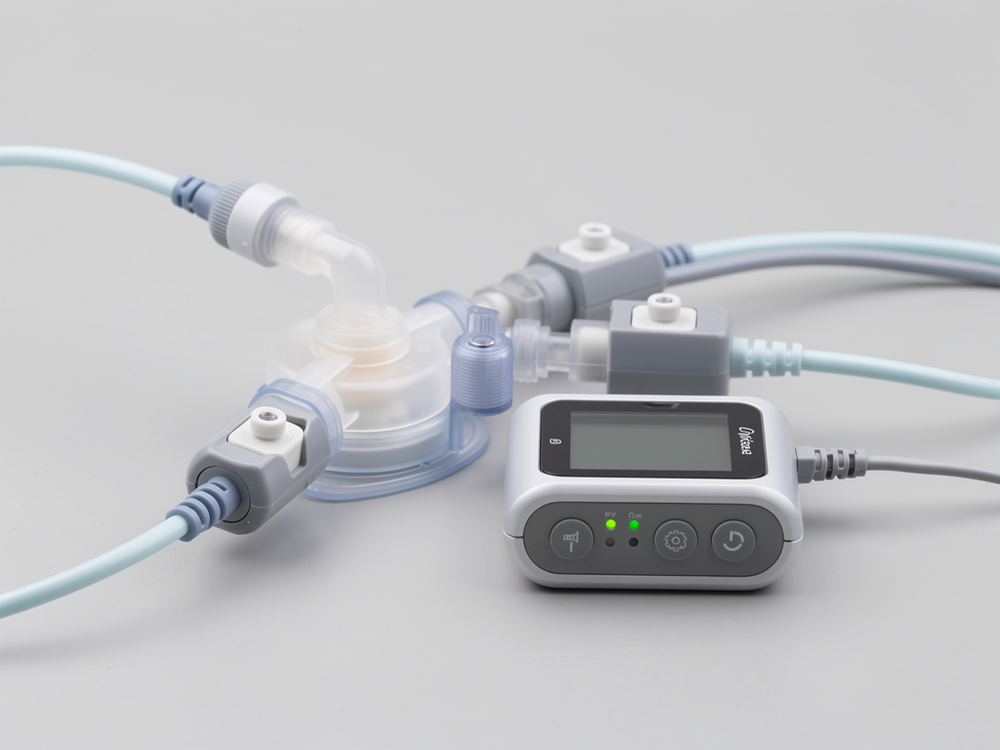
The diagnostic landscape offers two main paths. A home sleep apnea test is a simplified, convenient device you use in your own bed. It typically measures breathing effort, airflow, heart rate, and blood oxygen levels. It's an excellent first-line tool for uncomplicated cases of suspected moderate to severe obstructive sleep apnea.
An in-lab sleep study, or polysomnography, is more comprehensive. Conducted in a specialized sleep center, it monitors brain waves (EEG), eye movements, muscle activity, heart rhythm, and leg movements in addition to breathing metrics. This is the gold standard and is often recommended for complex cases, suspected central sleep apnea, or if the home test results are unclear.
| Diagnostic & Treatment Pathway | Best For | Typical Timeline for Improvement | Key Consideration |
|---|---|---|---|
| Lifestyle Modification (Weight Loss, Positional Therapy) | Men with mild, positional apnea or as an adjunct to primary treatment. Those with significant weight as a primary contributor. | 3-6 months for noticeable impact on apnea severity and symptoms. | Rarely sufficient as a standalone solution for moderate-to-severe OSA. Requires significant commitment but offers broad health benefits. |
| Positive Airway Pressure (PAP) Therapy (e.g., CPAP, APAP) | The frontline treatment for moderate to severe obstructive sleep apnea. Men seeking the most direct and effective solution to keep the airway open. | Energy and sleep quality often improve in weeks. Hormonal and erectile function may take 3-6 months of consistent use. | Requires an adjustment period for comfort and habit formation. Success hinges on finding the right mask and machine settings with specialist support. |
| Oral Appliance Therapy (OAT) | Men with mild-to-moderate OSA, or those who cannot tolerate PAP therapy. Often preferred by those who travel frequently. | Similar to PAP, but effectiveness depends on precise custom fitting and regular dental follow-up. | Must be fitted by a dentist trained in sleep medicine. May not be suitable for severe cases or certain jaw/dental conditions. |
| Surgical Options | A small subset of patients with a clear, correctable anatomical obstruction (e.g., enlarged tonsils, severe deviated septum) who have not succeeded with other therapies. | Recovery time varies by procedure. Full assessment of effectiveness can take months. | Considered a last resort due to invasiveness and variable success rates. Requires thorough evaluation by an ENT/sleep surgeon. |
Restoring Erections by Fixing Sleep First
The most compelling aspect of a sleep apnea diagnosis is that effective treatment targets the root cause, offering a direct path to reclaiming your energy and sexual health. The cornerstone of treatment for moderate to severe OSA is Positive Airway Pressure (PAP) therapy. A small machine delivers a gentle stream of air through a mask, creating a pneumatic splint that holds your airway open throughout the night. By eliminating apnea events, PAP therapy accomplishes three vital things: it restores continuous, consolidated sleep (allowing for full REM cycles); it stabilizes blood oxygen levels; and it permits your natural testosterone rhythm to normalize. The role of sleep stages in the regulation of erectile function: impacts of REM... have been studied extensively.
This holistic restoration is why many men report a return of morning erections and a significant boost in daytime vitality after consistent treatment. It addresses the core issue behind the desire to fix missing morning erections sleep issues low energy. The improvement is not a isolated sexual fix but a systemic revival.
Let's consider some lifestyle adjustments that can further support treatment.
Lifestyle Routines That Support Treatment
While PAP therapy is central, integrating supportive lifestyle habits can dramatically enhance outcomes and, in some mild cases, reduce the pressure needed from the machine.
- Weight Management: Even a modest reduction in weight can decrease the severity of sleep apnea by reducing tissue mass around the airway.
- Regular Exercise: Improves overall cardiovascular health, sleep quality, and can help regulate hormones. Avoid vigorous exercise too close to bedtime.
- Sleep Hygiene: A consistent sleep schedule, a cool/dark bedroom, and a wind-down routine signal to your body that it's time for restorative sleep.
- Substance Awareness: Alcohol and sedatives relax the throat muscles, worsening airway collapse. Avoiding them, especially in the evening, is crucial.
Evidence-Based Fixes and Prevention for the Long Term
Addressing sleep apnea is an investment in long-term systemic health that extends far beyond the bedroom. Consistent treatment is proven to reduce the risk of hypertension, stroke, heart arrhythmias, and type 2 diabetes. For men in their 30s, the safety profile of treatments like PAP therapy is excellent. The initial adjustment period—finding the right mask and getting used to the sensation—is a temporary challenge that pales in comparison to the cumulative damage of untreated apnea.
The timeline for results is progressive. Enhanced sleep quality and reduced daytime sleepiness are often the first rewards, sometimes apparent within days or weeks. The normalization of hormonal function and the associated improvement in erectile strength and morning erections are deeper repairs that typically solidify over several months of compliant therapy. The key is consistency: viewing the use of your therapy device not as an inconvenience, but as essential, non-negotiable nightly maintenance for your heart, brain, metabolism, and vitality.
Frequently Asked Questions
A: Yes, for a significant number of men, effective treatment for sleep apnea can restore morning erections. By eliminating the events that fragment REM sleep and cause oxygen deprivation, the body's natural nocturnal erection cycle is allowed to resume. This restoration is often one of the later signs of improvement, following gains in sleep quality and daytime energy.
Q: I'm in my 30s, fit, and not overweight. Could I still have sleep apnea?A: Absolutely. While excess weight is a major risk factor, sleep apnea can affect anyone due to anatomical factors. These include a naturally narrow airway, large tonsils or adenoids, a recessed jaw, or a large tongue. Family history also plays a role. Many younger, athletic men have apnea related to these structural issues, making it a condition that can affect any body type.
Q: How long after starting sleep apnea treatment will I see improvements in energy and erections?A: Timelines vary by individual and treatment adherence. Many people notice a marked improvement in daytime fatigue and alertness within the first few weeks of consistent therapy. Improvements in mood and cognitive function often follow. The hormonal and vascular benefits that influence erectile function and morning erections are deeper physiological changes, with many men reporting significant progress within three to six months of compliant treatment.
Q: Are home sleep studies accurate, or do I need to go to a lab?A: Home sleep apnea tests are a reliable, accurate, and recommended diagnostic tool for most cases of suspected obstructive sleep apnea. They are convenient, cost-effective, and reflect your typical sleep environment. A sleep specialist will recommend an in-lab study if your case is complex, if other sleep disorders (like narcolepsy or limb movement disorders) are suspected, or if the home test results are inconclusive.
Q: Is CPAP therapy the only option for treating sleep apnea?A: No. While CPAP (Continuous Positive Airway Pressure) is the most common and effective first-line treatment, several other evidence-based options exist. These include oral appliances (mandibular advancement devices), which reposition the jaw to open the airway; positional therapy devices; and, for select patients with specific anatomical blockages, surgical procedures. The best treatment is determined by the severity and cause of your apnea, your anatomy, and your personal preference, in consultation with a sleep specialist.
📌 Love this guide? Save it on Pinterest!
Pin No Morning Erections in Your 30s? Sleep Apnea Solutions 2026 to your board so you can come back to it later.

