
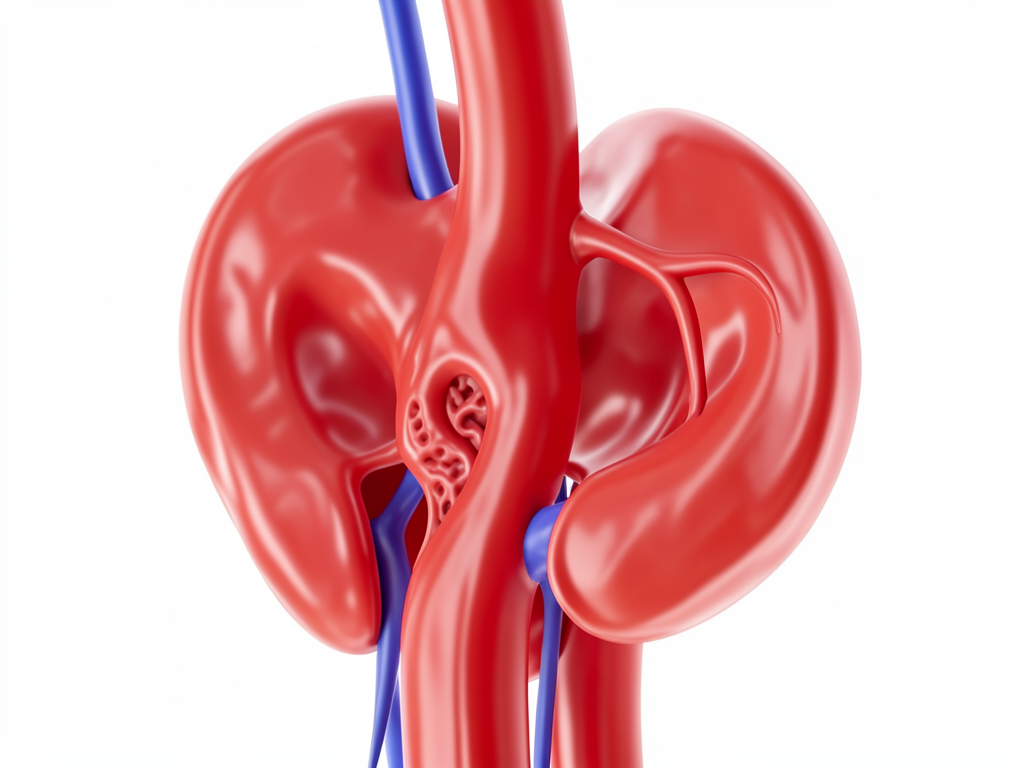
A growing number of men are experiencing a frustrating paradox: they've turned to testosterone replacement therapy (TRT) to revive a flagging libido, only to find that their sex drive remains stubbornly low, even after blood tests confirm their testosterone levels are within the optimal range. This is particularly perplexing for high-stress professionals, new fathers, and anyone navigating prolonged periods of pressure, as recent discussions increasingly point to a hidden, often overlooked culprit: chronic stress and its primary hormone, cortisol, which can directly undermine the libido-boosting effects of TRT, despite seemingly perfect lab results. This article delves into the reasons behind this phenomenon and explores potential solutions.
The Paradox of Perfect Labs and Low Desire
Restore Your Vitality Naturally

Discover evidence-backed strategies to support hormonal balance and reclaim your energy.
It's a common scenario: you've taken the initiative to address low testosterone, embarked on a carefully monitored TRT regimen, and successfully elevated your total and free testosterone levels into the desired zone, according to your lab reports. Yet, the anticipated surge in libido and sexual vitality hasn't materialized, leaving you feeling confused and discouraged. This experience is more prevalent than many realize, highlighting a significant gap in understanding how libido truly functions; it's not simply a direct consequence of testosterone concentration in the bloodstream. Instead, libido is a multifaceted outcome influenced by hormone receptors in the brain, neurotransmitter equilibrium, and, crucially, the presence of counter-regulatory hormones such as cortisol, which, when chronically elevated, can effectively impede testosterone's action at the very sites required to ignite desire, rendering even optimized TRT levels ineffective in enhancing sex drive.
Cortisol's Testosterone-Blocking Mechanism
Chronic elevation of cortisol, the body's primary stress hormone, can act as a direct antagonist to testosterone at the cellular level, hindering its ability to exert its effects. While testosterone may be abundant in your circulation, it must bind to androgen receptors in tissues like the brain to influence mood, energy, and libido. Prolonged stress and elevated cortisol can decrease both the sensitivity and the number of these receptors, making them less responsive to testosterone. Furthermore, cortisol can disrupt the production of other essential neurotransmitters and hormones involved in sexual desire. The body prioritizes survival: when it perceives a perpetual "fight-or-flight" state signaled by high cortisol, resources are diverted away from non-essential functions like reproduction and toward immediate survival needs. This explains why the question of trt normal testosterone but no sex drive stress is so valid and pressing – the issue isn't necessarily testosterone production, but rather the body's permission for it to be used effectively.
Chronic Stress and Receptor Interference
The interference occurs on multiple levels. Cortisol can directly compete with testosterone for binding sites on androgen receptors, or it can alter the receptor's structure, preventing testosterone from binding effectively. It can also promote the conversion of testosterone into estrogen in certain tissues, further shifting the hormonal balance away from a state conducive to libido. This receptor-level blockade underscores why simply increasing testosterone levels (through TRT) in an environment of high cortisol often fails to produce the desired improvement in sexual desire.
TRT Libido Crash Patterns
A recurring pattern observed in online forums and patient communities involves an initial "honeymoon phase" when TRT provides a noticeable boost in libido and overall well-being. However, for many men experiencing unrelenting stress, this improvement proves to be short-lived. After a few weeks or months, they report experiencing a low libido after trt cortisol high office worker situation, where their sex drive reverts to its pre-TRT baseline or even declines further, despite continuing therapy and maintaining confirmed optimal testosterone levels. This crash pattern strongly suggests that the underlying stress hormone imbalance has not been adequately addressed. The body may have initially responded positively to the increased testosterone, but the persistent cortisol elevation eventually reasserts its dominance, negating the benefits and leading to frustration and uncertainty about the treatment's long-term effectiveness.
Many men also notice changes in morning erections, which can serve as an important indicator of underlying hormonal issues. If you're experiencing no morning wood at 35 after quitting porn what does it mean, it may be worth investigating cortisol levels alongside testosterone optimization.
Why Normal Labs Don't Fix Libido
Standard blood panels for men undergoing TRT typically focus on assessing total testosterone, free testosterone, estradiol (estrogen), and sometimes sex hormone-binding globulin (SHBG). While these measurements are important, they provide an incomplete picture of the overall hormonal landscape. They confirm that the TRT protocol is technically successful in raising serum testosterone levels but fail to capture the functional aspect of how that testosterone is being utilized by the body. Lab results are deemed "normal" based on population-wide reference ranges, not on optimal function for an individual experiencing chronic stress. These standard tests often overlook the hypothalamic-pituitary-adrenal (HPA) axis, which governs cortisol production, and the state of androgen receptors. Consequently, a man can have a seemingly perfect lab report while still grappling with the libido-suppressing effects of cortisol dominance and metabolic dysregulation, which remain undetected by these conventional assessments.
For men over 40, understanding the differences between therapeutic interventions is crucial. Exploring the distinction between best testosterone booster vs trt which is safer for men 40 plus can help set realistic expectations about what each approach can achieve.
Hidden Issues Beyond Testosterone
The hidden issues often involve disruption of the diurnal cortisol rhythm, insulin resistance, systemic inflammation, and micronutrient deficiencies – all of which are common in individuals experiencing chronic stress. These factors create an unfavorable internal environment that hinders testosterone's ability to function effectively, meaning that the hormone is present but unable to exert its intended effects. This is the underlying reason for the common complaint of trt normal testosterone but no sex drive stress.
If you're experiencing persistent low libido despite normal testosterone readings, it may be worth exploring whether underlying stress or other physiological factors are playing a role. A comprehensive approach that considers low sex drive in men after 30 but normal testosterone and no stress can help identify hidden contributors to your symptoms.
| Approach | Best For | Timeline | Key Consideration |
|---|---|---|---|
| Lifestyle-Only | Mildly stressed individuals with recent libido decline, prioritizing natural methods. | 3-6 months for noticeable changes. | Requires high adherence and may not be sufficient for significant hormonal imbalances. |
| Basic Supplementation (Magnesium, Zinc, Vitamin D) | Individuals with suspected nutrient deficiencies and mild to moderate stress. | 1-3 months for initial effects. | Effectiveness depends on the severity of deficiencies and underlying stress levels. |
| Combined Protocol (Lifestyle + Targeted Supplements + Stress Management) | Most individuals on TRT experiencing libido issues despite normal T levels. | 2-6 months for significant improvement. | Requires a comprehensive assessment and personalized plan. |
| TRT Pathway (Optimized TRT + Comprehensive Support) | Individuals with confirmed low testosterone and significant stress-related libido issues. | 3-6 months for optimal results. | Requires careful monitoring and adjustments to both TRT and supporting therapies. |
Advanced Testing for Stress Hormones
To move beyond guesswork and identify the underlying causes of persistent low libido, advanced testing is essential to uncover the hidden cortisol culprits. The gold standard for assessing cortisol levels is not a single blood test but a four-point salivary cortisol test. This test involves collecting saliva samples at specific times throughout the day (upon waking, noon, evening, and bedtime) to map your cortisol curve. A healthy pattern exhibits a sharp peak in the morning, followed by a gradual decline to low levels at night. In men experiencing chronic stress, this curve is often flattened (low morning cortisol) or inverted (high evening cortisol), both of which are dysfunctional and detrimental to libido and overall well-being. This type of testing fills the critical gap left by standard bloodwork and provides a clear, actionable target for intervention.
Break Through the Stress-Libido Connection

Learn how addressing cortisol can unlock the full potential of your TRT journey.
Research on natural compounds that support hormonal balance continues to evolve, with studies examining how certain plant extracts may influence reproductive health. For instance, one study explored how Fruit Extract of Black Pepper (Piper nigrum L.) Ameliorate Male Reproductive functions, though more research is needed in this area.
Salivary Cortisol Patterns
Understanding your salivary cortisol pattern is crucial for developing a targeted treatment strategy. A flattened cortisol curve often indicates HPA axis dysfunction or "adrenal fatigue," where the system is exhausted and unable to mount an appropriate stress response. Elevated evening cortisol levels are particularly detrimental to libido, as they interfere with sleep quality and the natural overnight production of testosterone and regeneration of androgen receptors. Identifying your specific cortisol pattern allows for a tailored approach to cortisol management.
Beyond Hormones: Metabolic and Nutrient Barriers
Hormones do not function in isolation; they require specific metabolic cofactors and a healthy cellular environment to exert their effects. Chronic stress depletes the body of essential nutrients, such as magnesium, zinc, and B vitamins, which are critical cofactors for testosterone synthesis, receptor sensitivity, and neurotransmitter production. Furthermore, prolonged stress often leads to insulin resistance, a condition in which cells become less responsive to insulin. Insulin resistance promotes inflammation and further hormonal imbalances that can diminish testosterone's effects. Addressing these underlying metabolic and nutrient deficiencies is a crucial step for any man on TRT who is not experiencing improvements in libido, as no amount of testosterone can overcome these fundamental biochemical obstacles.
Fixing Metabolic Cofactors and Receptors
The solution involves a multi-faceted approach that supports the body beyond just hormone replacement. First, targeted nutrient repletion based on testing (for minerals like magnesium and zinc, and vitamins like D and B6) can restore the necessary building blocks for hormone production and receptor function. Second, implementing dietary strategies to improve insulin sensitivity – such as reducing refined carbohydrates and sugar intake, and incorporating regular physical activity – can reduce inflammation and improve hormone signaling. Third, direct cortisol management through the use of adaptogenic herbs (such as ashwagandha or rhodiola), mindfulness practices, and prioritized sleep can help reset the HPA axis and improve cortisol rhythms. This comprehensive approach works to remove the barriers that are preventing TRT from working as intended.
Lifestyle Routines for Recovery
Consistent lifestyle routines are the foundation of recovery. This includes establishing a regular sleep schedule to support natural hormone cycles, engaging in regular, moderate exercise (while avoiding excessive chronic cardio that can elevate cortisol levels), and incorporating daily stress-reduction techniques, such as deep breathing exercises, meditation, or spending time in nature. These practices are not merely "good advice"; they are essential therapeutic tools that directly lower cortisol levels and improve receptor sensitivity.
Realistic Timelines and Safety Steps
Correcting cortisol dysfunction and its impact on libido is not an immediate fix. While some improvements in sleep quality and a sense of calm may be noticeable within a few weeks of implementing stress-reduction and nutrient strategies, it can take three to six months for the HPA axis to recalibrate and for libido to respond meaningfully. It's important to manage expectations and recognize that this is a process of healing the system, not simply masking a symptom. Safety is paramount: any changes to your TRT protocol or the addition of supplements should be discussed with a knowledgeable healthcare provider. Special consideration is needed for men with certain conditions, such as a history of hormone-sensitive cancers or severe, untreated anxiety disorders.
When to See a Specialist
If you have been on a stable, optimized TRT protocol for more than three months with confirmed good levels but still experience low libido, it's time to consult a specialist who understands functional endocrinology. Seek out a practitioner experienced in men's health who utilizes advanced adrenal testing (such as salivary cortisol panels) and considers nutrient status and metabolic health. They can help you design an integrated plan that addresses the cortisol component and other hidden factors contributing to your symptoms.
Scientific Evidence
- ✔ Clinical Support: Testosil™ Formula
- ✔ Expert Community: ExcelMale Forum
- ✔ Study: The Actual State of Sexual Dysfunction in Newlywed Men Starting to Try for a Baby in
Frequently Asked Questions
Q: How long does it take to see libido improvements after addressing high cortisol on TRT?
A: The timeline varies depending on individual factors, but generally requires patience. Initial improvements in sleep quality and overall stress resilience may be noticeable within 2-4 weeks. However, significant and sustained improvements in libido often take 3-6 months of consistent cortisol management, nutrient repletion, and lifestyle changes. This is because it takes time to downregulate a chronically stressed HPA axis and restore hormonal receptor sensitivity.
Q: Is it safe to manage cortisol while I'm on testosterone replacement therapy?
A: Yes, it is not only safe but often necessary for the therapy to be fully effective. However, it is crucial to work with a qualified healthcare professional who can monitor your hormone levels and adjust your treatment plan as needed. Self-treating or making drastic changes to your TRT protocol without guidance can be risky.
Q: What are some natural ways to lower cortisol levels?
A: Several natural strategies can help lower cortisol levels, including prioritizing sleep (aim for 7-9 hours per night), practicing mindfulness and meditation, engaging in regular moderate exercise, spending time in nature, and consuming a balanced diet rich in whole foods. Certain adaptogenic herbs, such as ashwagandha and rhodiola, may also help regulate cortisol levels, but it's important to discuss their use with a healthcare provider.
Q: Can nutrient deficiencies affect my libido even if my testosterone levels are normal on TRT?
A: Absolutely. Nutrient deficiencies, particularly in minerals like magnesium and zinc, and vitamins like D and B vitamins, can significantly impact libido, even with optimized testosterone levels. These nutrients are essential cofactors for hormone production, receptor function, and neurotransmitter synthesis, all of which play a crucial role in sexual desire and function. Addressing these deficiencies through diet and supplementation can often improve libido and overall well-being.
Q: What kind of doctor should I see if I suspect high cortisol is interfering with my TRT?
A: You should seek out a physician specializing in functional endocrinology or integrative medicine with a specific focus on men's health. These practitioners are trained to assess the entire hormonal system, including the HPA axis, and can order advanced testing, such as salivary cortisol panels, to identify underlying imbalances. They can also help you develop a personalized treatment plan that addresses both your testosterone levels and any other contributing factors, such as stress, nutrient deficiencies, or metabolic dysfunction.
📌 Love this guide? Save it on Pinterest!
Pin Why TRT Fails for Stressed Men in 2026: Cortisol's Hidden Role to your board so you can come back to it later.

