
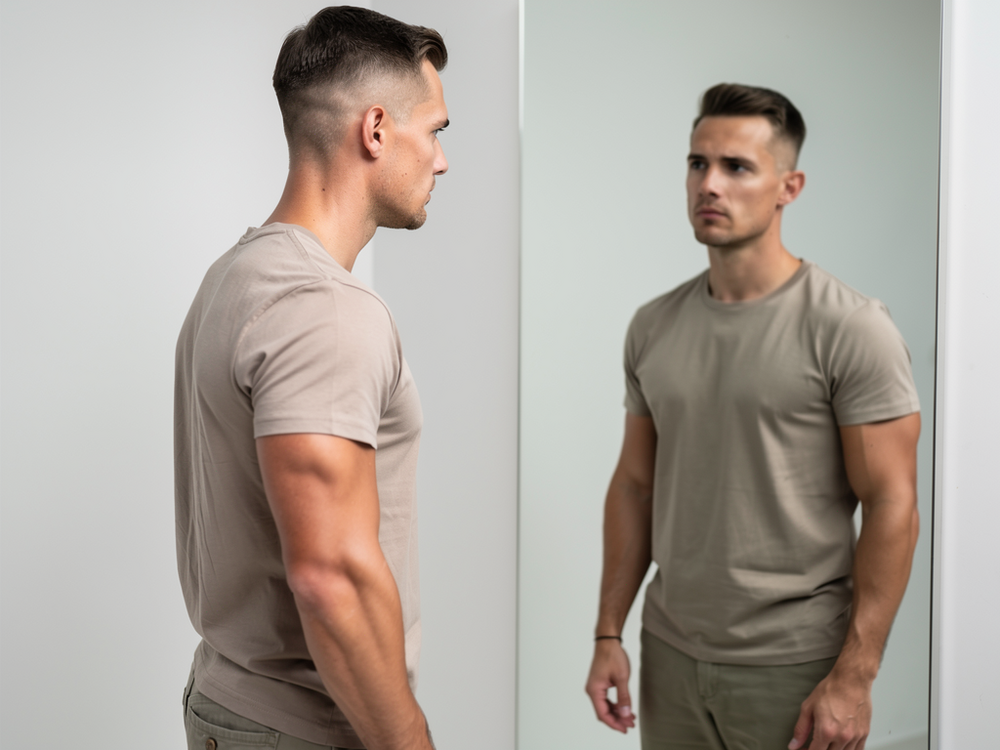
A new wave of anxiety is reshaping the landscape of men’s health, particularly for the fit and active under-35 crowd. On platforms like TikTok and Instagram, a network of influencers, often from the online “manosphere,” is pushing a compelling narrative: a silent epidemic of low testosterone is weakening a generation of men. For young men already navigating the pressures of modern performance and identity, this message lands with profound force. It reframes common struggles—persistent fatigue, a wavering sex drive, a nagging sense of inadequacy—not as byproducts of a stressful, digitally-connected life, but as symptoms of a medical deficiency tied directly to their core masculinity. This article cuts through the fearmongering, separating the influencer hype from the hormonal reality by examining the latest research and the specific patterns of misinformation driving this trend.
The Manosphere's Low T Fear Campaign
Influencers with millions of followers have successfully medicalized normal male physiology and everyday anxieties, turning testosterone into the ultimate, non-negotiable metric of male worth. Their content follows a predictable, powerful script: a hyper-masphic presenter lists vague, common symptoms like tiredness, lack of motivation, or the absence of morning erections, confidently attributes them to “low T,” and posits this deficiency as the root cause of all modern male malaise. A recent analysis from the University of Sydney highlights how these figures promote morning erections as a primary indicator of hormonal health, effectively pathologizing normal daily and weekly fluctuations. This narrative is potent because it offers a simple, biological scapegoat for complex feelings of inadequacy, while conveniently providing a monetized path to salvation through the specific blood tests, supplements, or clinics they promote. The underlying message is clear: to be a “high-value” or alpha male, you must optimize this single hormone, creating a self-perpetuating cycle of fear and consumption for young men who are, by most clinical standards, perfectly healthy.
Reclaim your vitality, naturally.

Simple lifestyle changes can make a profound difference in how you feel.
Understanding Testosterone Decline in Young Men
While sensational claims of a generational hormonal collapse abound, the clinical reality is more nuanced. Research does suggest that average testosterone levels in populations may be lower now than in decades past, but the primary drivers appear to be modifiable lifestyle factors, not an inevitable genetic or age-related fate for young men. Increased rates of obesity, more sedentary behavior, poorer sleep patterns linked to screen use, and certain environmental exposures play a far greater role than age alone for men under 40.
Clinically, the “normal” range for testosterone is notably broad, typically spanning from about 300 to 1000 nanograms per deciliter (ng/dL). A level at the lower end of this spectrum is not, in itself, a deficiency. Diagnosis of hypogonadism—the medical term for clinically low testosterone—requires persistently low measurements from blood tests taken in the morning on at least two separate occasions, coupled with significant and specific symptoms. The fixation on a single number, often promoted by direct-to-consumer lab tests pushed by influencers, is medically insufficient and a primary source of misdiagnosis. The 300 ng/dL cutoff is a guideline, not an absolute cliff; context and symptoms are everything.
It's important to consider the broader picture when assessing your health. how to talk to your partner about low sex drive as a man can be a good starting point for addressing relationship-related stress that may be impacting your overall well-being.
Symptoms That Feel Like Low Testosterone But Aren't
Fatigue, low libido, brain fog, and a lack of motivation form the holy grail of symptoms that influencers love to claim for low T. In reality, these are the hallmark symptoms of 21st-century life. For a 25 year old male with sudden low energy and low libido, the first line of inquiry should be his lifestyle, not his lab results.
Chronic stress is a master mimic. It floods the body with cortisol, a hormone that can directly suppress testosterone production while creating an identical profile of exhaustion and low drive. Poor sleep quality or chronic sleep debt is perhaps the most common culprit, as testosterone production is intimately tied to sleep cycles, particularly deep and REM sleep. Relationship difficulties, work burnout, existential anxiety about the future, and even undiagnosed depression or anxiety disorders can manifest in ways that feel intensely physical. The influencer narrative conveniently ignores this complex overlap, offering a seductive but reductive biological explanation.
Decode your body's signals.

Understand the root causes of fatigue and low energy for lasting wellness.
The Overlap with Stress and Lifestyle Factors
The body’s response to constant psychological or physical pressure is to prioritize immediate survival over long-term building and reproduction. This means non-essential functions like libido, motivation for the gym, and even clear cognitive function can diminish. This creates a vicious cycle where stress causes low-energy symptoms, which then creates more anxiety about health and performance, further fueling the stress response.
When to Actually Suspect a Hormonal Issue
Genuine, clinically significant testosterone deficiency typically involves more persistent and pronounced symptoms that extend beyond common fatigue. These can include a significant, unexplained loss of body hair, the development of breast tissue (gynecomastia), the experience of hot flashes, or a verifiable, objective loss of muscle mass and strength despite continued training efforts. The key differentiator is the persistence and combination of these symptoms over months, not a bad week or two.
Let's explore some practical steps you can take to address these concerns.
How Manosphere Influencers Exploit Masculinity Anxiety
The influencer playbook is effective because it targets pre-existing, culturally nurtured insecurities. It uses sophisticated fearmongering tactics, directly tying hormone levels to nebulous concepts of alpha status, dominance, and sexual market value. They expertly medicalize normal human experiences, pushing the idea that if you have no morning wood, you have low testosterone. This creates a problem where one may not exist, manufacturing demand for a solution.
The monetization strategy is layered. It often begins with free, alarmist content that diagnoses the viewer. This leads to promoted, often expensive, “comprehensive” blood test panels from specific labs. The results, which might show a level in the low-normal range, are then framed as a deficiency, opening the door for affiliate-linked supplements, “optimization” e-books, or referrals to telehealth TRT clinics. The end goal is the conversion of anxiety into revenue, not the cultivation of sustainable health. Red flags in these claims include absolute certainty, the dismissal of lifestyle factors, the use of social status as a health metric, and the direct promotion of a product linked to the diagnosis.
Scientific Evidence
- ✔ Clinical Support: Testosil™ Formula
- ✔ Expert Community: ExcelMale Forum
- ✔ Study: U.S. men's testosterone (T), partnering, and residence with children: Evidence from
What Testosterone Actually Does (And Doesn't Do)
Testosterone is a crucial androgen hormone responsible for the development of male characteristics during puberty, the maintenance of muscle mass and bone density, and the support of sex drive (libido) and sperm production in adulthood. It’s important to understand its natural rhythm: levels peak in the early morning and gradually decline throughout the day, and they can be temporarily lowered by acute factors like a night of poor sleep, an episode of extreme stress, or a bout of intense endurance exercise. how to boost male libido naturally after 40 might offer some insights into natural ways to support healthy hormone function.
While a genuine clinical deficiency requires medical attention, testosterone is not the sole dictator of mood, energy, or life success. The oversimplified “more T equals more man” narrative ignores the complex interplay of neurochemistry, psychology, social environment, and personal circumstance. It reduces the multifaceted experience of masculinity to a single blood serum value, a notion that is not supported by endocrinology. Research into androgen insensitivity syndrome highlights the complexities of androgen action, showing that even with sufficient androgen production, proper function requires functioning receptors; see Molecular pathogenesis, diagnosis, and management challenges in complete androgen....
What Actually Helps: Evidence-Based Approaches
If you’re feeling off, optimizing the foundational pillars of health is the first, safest, and most effective step. This approach addresses the root causes of most symptoms and improves overall well-being, regardless of your specific testosterone number.
Sleep: Prioritize 7-9 hours of quality, uninterrupted sleep per night. Sleep, particularly deep sleep, is prime time for testosterone production. Inconsistent sleep or sleep apnea can severely disrupt this process. Strength Training and Exercise: Engage in regular, progressive resistance training. It’s a potent natural stimulus for hormone production. Balance this with intelligent cardio; chronic, excessive endurance exercise without adequate recovery can actually lower levels. Stress Management: Actively manage chronic stress through proven techniques like mindfulness, regular physical activity, engaging hobbies, or therapy. Reducing chronically elevated cortisol is key to supporting healthy hormonal function. Nutrition and Weight Management: Ensure your diet includes adequate healthy fats (crucial for hormone synthesis), zinc, magnesium, and vitamin D. Perhaps most importantly, maintain a healthy weight. Excess body fat, particularly visceral fat, contains an enzyme called aromatase that converts testosterone into estrogen.For men concerned about their vitality, following a structured, evidence-based pathway is far safer than reacting to influencer hype. The table below outlines realistic approaches based on clinical guidance.
| Approach | Best For | Timeline | Key Consideration |
|---|---|---|---|
| Lifestyle Optimization | Men with mild, non-specific symptoms (fatigue, low mood) likely tied to sleep, diet, or stress. The first step for everyone. | 8-12 weeks of consistent practice to observe meaningful changes in energy and well-being. | Requires patience and discipline. Addresses root causes and improves overall health beyond just hormone levels. |
| Medical Evaluation & Diagnosis | Men with persistent, specific symptoms (no libido, erectile dysfunction, muscle loss) despite 3+ months of optimized lifestyle. | Diagnosis requires multiple morning blood tests over weeks. Treatment discussion follows confirmation. | Must be guided by an endocrinologist or urologist. Self-diagnosis via single test kits is unreliable and risky. |
| Legitimate Testosterone Therapy (TRT) | Men with a confirmed, clinical diagnosis of hypogonadism from a physician, after other causes are ruled out. | Symptom relief can begin in weeks, but therapy is typically a long-term or lifelong commitment. | A medical treatment, not a performance supplement. Involves regular monitoring for side effects like increased red blood cell count. |
| Unregulated/Black Market Use | Not recommended for anyone. Often sought by men seeking a shortcut for performance or aesthetics without a diagnosis. | Quick, unmonitored results with immediate high risk. | Carries severe risks: shuts down natural production, can cause infertility, acne, breast growth, cardiovascular strain, and masks underlying health issues. |
The Real Risks of Unnecessary Hormone Therapy
Initiating testosterone replacement therapy (TRT) without a genuine, clinically-diagnosed deficiency is not a harmless performance boost—it’s a significant medical intervention with consequences. For men whose endocrine systems are functioning normally, introducing external testosterone signals the brain and testes to shut down natural production. This can lead to testicular atrophy, infertility, and a potential long-term dependency on external hormones. do over the counter testosterone boosters really work for tired men over 40?
The dangers extend beyond prescribed misuse to the growing risk of black market testosterone use, a direct downstream effect of the fear-based marketing targeting young men. Unregulated substances carry risks of contamination, incorrect dosing, and a complete lack of medical oversight. Side effects can include severe acne, gynecomastia (breast tissue growth), worsening of sleep apnea, a dangerous increase in red blood cell count (raising the risk of blood clots), and the acceleration of benign prostate growth. Perhaps most insidiously, it acts as a mask, covering up the real issues—such as depression, thyroid disorders, or profound lifestyle deficits—that need appropriate treatment. Using potent hormones to treat a lifestyle problem is a profound mismatch of tool and task.
Now, let's address some common questions about this topic. It's important to be well-informed.
Frequently Asked Questions

A: No, this is a common and dangerous oversimplification. While testosterone influences libido and erectile function, morning erections are primarily linked to sleep cycles, specifically REM sleep. Their absence can be caused by poor sleep quality, high stress, alcohol consumption, or simply not reaching the necessary sleep stages. It is not a reliable standalone diagnostic tool for low T.
Q: I'm tired and feel weak despite going to the gym. Should I get my T levels checked?A: Before considering a hormone test, conduct a rigorous audit of your recovery. Are you sleeping 7-9 hours consistently? Are you eating enough calories and nutrients, including protein and healthy fats, to support your training? Are you possibly overtraining without adequate rest? Chronic fatigue and poor gym performance are classic signs of under-recovery, a lifestyle issue. If optimizing sleep, nutrition, and training load for 2-3 months brings no change, then consulting a doctor for a broad check-up—not just a testosterone test—is a reasonable next step.
Q: What are the real risks of taking testosterone if I don't need it?A: The risks are substantial and well-documented. Exogenous testosterone can suppress your body's natural production, leading to testicular shrinkage and infertility. It can worsen sleep apnea, significantly increase red blood cell count (elevating the risk of stroke and heart attack), cause or exacerbate acne and breast enlargement, and may stimulate the growth of prostate tissue. Furthermore, it acts as a band-aid, preventing the diagnosis and treatment of underlying conditions like depression, chronic stress, or thyroid disorders.
Q: Can lifestyle changes really boost my testosterone?A: Absolutely, and for men without a clinical deficiency, lifestyle interventions are the first-line and most effective strategy. Significant, measurable improvements can come from losing excess body fat, engaging in regular strength training, prioritizing high-quality sleep, managing chronic stress, and ensuring adequate intake of key nutrients like zinc, vitamin D, and healthy fats. These changes work by removing the suppressors of natural hormone production and creating an environment where your body can function optimally.
Q: How do I know if I genuinely need to see a doctor about testosterone?A: Schedule a consultation with an endocrinologist or urologist if you experience a persistent, multi-symptom cluster that includes a complete loss of libido, erectile dysfunction, hot flashes, unexplained and significant loss of muscle mass, profound fatigue unrelieved by rest, and depressed mood—and only after you have sincerely addressed basic lifestyle factors for several months. A reputable specialist will never diagnose based on a single symptom or test; they will require a clinical evaluation and multiple morning blood tests to confirm a diagnosis before ever discussing treatment options.
📌 Love this guide? Save it on Pinterest!
Pin Young Men's Masculinity Crisis: Low Testosterone Alarm and Solutions 2026 to your board so you can come back to it later.

