
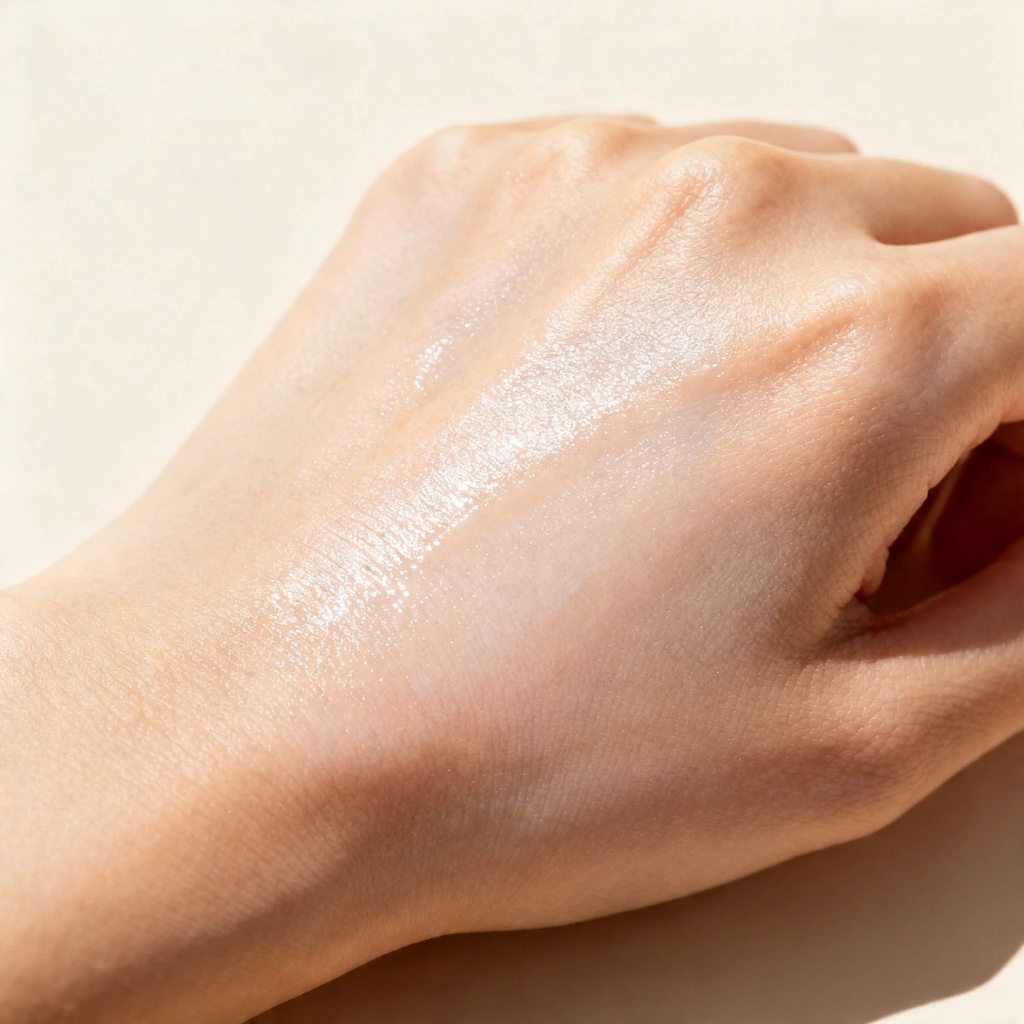
Finding a sunscreen that protects your skin without causing new breakouts can feel like an impossible task. If you have oily, acne-prone skin, you know the frustration all too well: you've perfected your cleanser, your treatment serums are dialed in, but your sunscreen still leaves you with clogged pores and fresh pimples. This daily dilemma is a major pain point in skincare communities, where many find that even products labeled 'non-comedogenic' or 'acne-safe' can trigger irritation, leave a stubborn white cast, or feel heavy on oily skin. This guide cuts through the noise of generic affiliate lists to address the real-world failures—like white casts on darker skin or chemical filters irritating post-Accutane skin—and provides a vetted framework for finding protection that works with your skin’s needs, not against them.
Why Regular Sunscreens Trigger Acne
Conventional sunscreens often contain ingredients that are fundamentally incompatible with oily, acne-prone skin. The core issue lies in comedogenicity—the tendency of an ingredient to block pores. Many formulas rely on heavy emollients, occlusive waxes, or specific chemical UV filters that can sit on the skin's surface and trap sebum and dead skin cells. For skin already producing excess oil, this creates a plugged environment where acne-causing bacteria can thrive, leading to blackheads and inflammatory pimples. Furthermore, some ingredients can cause subclinical irritation, triggering an inflammatory response that manifests as new breakouts, which is why a product can feel fine at first but cause problems days later. This mismatch between a sunscreen’s protective intent and its pore-clogging reality is why so many people with acne-prone skin dread their SPF step.
Why Sunscreen Matters for Acne-Prone Skin
Skipping sunscreen is a critical error for anyone managing acne, as UV exposure directly undermines healing and treatment efforts. Ultraviolet rays cause inflammation, which can worsen active breakouts and significantly darken post-acne hyperpigmentation, making marks more stubborn and visible. More importantly, many cornerstone acne treatments—like prescription retinoids, over-the-counter retinol, and exfoliating acids like salicylic and glycolic—increase the skin's photosensitivity. Using these potent actives without a dedicated sun shield not only increases the risk of sunburn but can lead to increased irritation and a compromised skin barrier, setting back your progress. Therefore, daily protection is non-negotiable; the goal is to find a formula that provides this essential shield without introducing new problems, creating a stable environment for your acne-fighting routine to work effectively.
UV Impact on Breakouts
Beyond hyperpigmentation, research suggests UV radiation can stimulate excess sebum production and promote comedone formation. It also generates free radicals that break down collagen and promote inflammation, potentially exacerbating the redness and swelling associated with inflammatory acne. A consistent sunscreen habit acts as a preventative measure against these secondary aggravators.
Non-Comedogenic Basics
The term "non-comedogenic" implies a formula is unlikely to clog pores, but it's not a regulated guarantee. It signals that the manufacturer has avoided ingredients known to be highly comedogenic in classic patch testing. For acne-prone skin, this should be the baseline requirement, but it must be paired with considerations for texture, finish, and individual skin reactivity to be truly effective.
Mineral vs Chemical: What Works Best for Breakouts
The choice between mineral and chemical sunscreens is not just academic for acne-prone skin; it's a practical decision with direct consequences for breakouts and comfort. Chemical sunscreens work by absorbing UV rays and converting them into heat, which is then released from the skin. Some of these organic filters, particularly older ones like oxybenzone and octinoxate, have a higher potential for causing heat-related irritation and allergic reactions in sensitive skin, which can manifest as redness, stinging, or a crop of new pimples. Mineral sunscreens, containing zinc oxide or titanium dioxide, sit on the skin's surface and physically deflect and scatter UV rays. They are generally better tolerated by reactive skin but have historically been criticized for their thick, pasty textures and pronounced white cast.
If you are also looking for ways to boost your health, check out this testosil review does it really work for men over 40.
Mechanisms and Irritation Risks
The mechanism of chemical filters requires them to be absorbed into the upper layers of the skin. For skin with a compromised barrier—common in those using strong acne treatments—this absorption can lead to stinging, redness, or a reaction that mimics a "purge." Mineral filters, being inorganic and inert, typically do not cause this type of biochemical irritation, making them a cornerstone recommendation for reactive, post-procedure, or post-Accutane skin where tolerance is paramount.
Zinc Oxide Particle Size Effects
This is a critical gap most articles overlook. The texture and white cast of mineral sunscreens are directly related to the particle size of the zinc oxide. Traditional "micronized" particles are larger and more likely to leave a white cast. "Nano-sized" particles are smaller, leading to formulas that are more transparent and elegant, though there is ongoing consumer debate about their safety. For acne-prone and oily skin, the benefit of nano or finely-micronized zinc is a fluid, lightweight texture that dries to a matte or natural finish, making a best mineral sunscreen for oily acne skin a realistic, non-greasy daily option.
It's important to consider the ingredients that can either help or hinder your skin's health. Finding the right balance can be key to achieving a clear complexion.
Key Ingredients to Seek and Avoid
Navigating a sunscreen ingredient list is your most powerful tool for preventing breakouts. Knowing what supports your skin and what sabotages it is essential.
Sunscreen that won't cause breakouts.
 👉 Explore Natural Solutions
Discover lightweight, non-comedogenic formulas for acne-prone skin.
- Modern UV Filters: Look for zinc oxide, titanium dioxide, and newer-generation chemical filters like Tinosorb S and M, Mexoryl SX, and Uvinul A Plus. These are known for their broad-spectrum protection, photostability, and lower likelihood of causing irritation.
- Oil-Absorbing and Mattifying Agents: Ingredients like silica, niacinamide (which also helps calm inflammation), kaolin clay, and cornstarch can help control shine throughout the day, making the sunscreen feel more comfortable on oily skin.
- Barrier-Supporting Ingredients: For skin sensitized by treatments, look for calming additions like panthenol (vitamin B5), ceramides, or glycerin, which help maintain hydration without clogging pores.
- Known Comedogenic Ingredients: Heavy oils and butters like coconut oil, cocoa butter, and some forms of lanolin are frequent pore-cloggers.
- High Concentrations of Certain Silicones: While not all silicones are bad, heavy, occlusive silicones like dimethicone high on the ingredient list can create a film that traps debris and sebum.
- Fragrance and Essential Oils: Both synthetic fragrance and natural essential oils (like citrus, lavender, or peppermint) are common sensitisers that can trigger inflammatory responses leading to breakouts.
- Drying Alcohols: Alcohol denat. can be overly stripping, disrupting the skin barrier and prompting rebound oil production, which can worsen acne.
Common Mistakes With Acne-Safe SPF
Choosing the right sunscreen is only half the battle; application and integration errors are where many well-intentioned routines fail.
Skipping the Patch Test: Applying a new sunscreen all over your face immediately is a high-risk move. Always patch test for at least three days on a small area of your jawline or cheek to see if your skin reacts with clogged pores or irritation. Incorrect Layering Causing Pilling: Applying sunscreen over a skincare layer that hasn't fully absorbed, or using incompatible formulas (like a water-based serum under a silicone-heavy sunscreen), can cause pilling. This not only feels unpleasant but results in uneven, patchy protection. Using Too Little Product: To achieve the SPF rating on the label, you need to apply approximately 1/4 teaspoon for the face and neck. Skimping means you're not getting the full protective benefit, leaving your skin vulnerable to UV damage. Neglecting Double Cleansing at Night: Sunscreen, especially water-resistant formulas, is designed to stay on. A single cleanse with a gentle face wash may not remove it all. Residual sunscreen can mix with the day's sebum and pollutants, clogging pores overnight. An oil-based cleanser or micellar water first, followed by your regular cleanser, ensures a clean slate.Top Picks That Actually Work
Curating options for acne-prone skin requires filtering for texture, finish, and filter compatibility. The ideal choice feels weightless, offers a matte or natural finish, and layers without conflict. Here is a comparison of foundational approaches to finding your match.
| Approach | Best For | Timeline for Assessment | Key Consideration |
|---|---|---|---|
| Mineral (Zinc Oxide) Focus | Sensitive, reactive, or post-treatment skin (e.g., post-Accutane). Those who prefer a physical barrier and have had bad reactions to chemical filters. | 1-2 weeks to assess for white cast and texture comfort. | Particle size is crucial. Look for "micronized," "ultra-fine," or "tinted" to avoid a chalky finish. Tinted versions are excellent for neutralizing cast. |
| Modern Chemical / Hybrid Filter Focus | Oily skin seeking an ultra-lightweight, invisible finish. Those with darker skin tones where white cast is a primary concern. | 1 week to monitor for any stinging or delayed irritation. | Prioritize formulas with newer-generation filters (Tinosorb, Mexoryl) and avoid those with high alcohol content or known irritants like oxybenzone. |
| Mattifying / Oil-Control Specific | Very oily, shine-prone skin that needs all-day sebum control. Individuals who wear sunscreen without makeup and want a primer-like finish. | A few days to judge shine control throughout the day. | Often contains powders like silica. Ensure the mattifying agents don't feel overly drying or make the formula difficult to blend evenly. |
| Minimalist, Barrier-Support Formula | Skin with a damaged moisture barrier from harsh acne treatments. Those experiencing redness, tightness, or peeling alongside breakouts. | 2-3 weeks to evaluate calming effects and tolerance. | Formula should be utterly simple: zinc oxide, a few emollients, and barrier-repair ingredients. Absolutely no fragrance, essential oils, or active exfoliants. |
Best for Oily, Shine-Prone Skin
Formulas in this category go beyond being oil-free; they actively work to manage sebum. They often incorporate silica, niacinamide, or specialized polymers that absorb oil and create a velvety, matte finish that lasts for hours. A successful lightweight sunscreen for acne prone face in this category should feel imperceptible and prevent the midday shine that can make skin look greasy, functioning as a perfect makeup primer or a polished bare-skin finish.
Best for Darker Skin Tones
The white cast issue renders many mineral sunscreens unusable for deeper complexions, a gap frequently highlighted in community discussions. The solution lies in two paths: chemically-based formulas with entirely soluble filters that leave zero residue, or intelligently formulated mineral options. For the latter, look for sunscreens that use "transparent" or "ultra-fine" zinc oxide technologies or, even better, offer a tinted version. A good tint will blend seamlessly, neutralize any white cast, and can provide light, even coverage that helps with redness or hyperpigmentation, making it a true best sunscreen for acne prone skin no white cast.
Best for Sensitive or Post-Accutane Skin
Skin recovering from potent medications like isotretinoin (Accutane) or dealing with persistent sensitivity requires the gentlest possible approach. Here, mineral sunscreens, particularly those with zinc oxide, are the undisputed gold standard. The ideal formula is a "clean" one: free of fragrance, essential oils, drying alcohols, and unnecessary botanical extracts. It should focus on a short ingredient list with calming, barrier-supporting components. The goal is protection that feels soothing, not stimulating, to avoid any setback in the skin's recovery process.
If you're exploring other ways to rejuvenate your skin, consider reading about How to reverse aging signs naturally.
Scientific Evidence
Ultimately, the right application technique can make all the difference. Proper layering and reapplication are key to maintaining effective sun protection.
How to Apply Without Breakouts
Technique is as important as product selection for preventing pilling and ensuring even, effective coverage.
Start with clean, lightly moisturized skin. Allow your moisturizer or treatment serum to absorb fully for 2-3 minutes. Dispense the recommended amount (a nickel-sized dollop for face and neck). Dot the sunscreen evenly across your forehead, cheeks, nose, and chin. Then, using your fingertips, gently press and pat the product into the skin. Avoid vigorous rubbing. This patting motion helps the formula settle evenly without rolling up underlying products. Allow it to set for another 2-3 minutes before proceeding with makeup. This method is effective whether you're using the best sunscreen for acne prone skin drugstore finds or higher-end options.
Layering with Acne Actives
The correct order is crucial. After cleansing, apply your treatment active (e.g., benzoyl peroxide, salicylic acid, retinoid). Follow with your moisturizer. Once the moisturizer has absorbed, apply your sunscreen. There's no need to wait between moisturizer and sunscreen; the patting technique works effectively. This sequence ensures your treatments can penetrate and work without being blocked by the occlusive SPF layer, addressing the core question of does sunscreen help acne prone skin if I already use retinoids.
Reapplication for Oily Skin
Reapplying over oily skin and makeup is the most common hurdle. The most practical solutions are SPF powders or lightweight, non-greasy SPF mists. Midday, first blot away excess oil with a clean tissue or blotting paper. Then, lightly dust a powder SPF over your T-zone and cheeks, or hold a mist about 6 inches from your face and spray a fine, even layer. These formats provide protection without adding a heavy, pore-clogging second layer of cream, making consistent reapplication a sustainable habit.
The use of nanoparticles in sunscreens has been explored in several studies, including Nanoparticles for Topical Application in the Treatment of Skin Dysfunctions-An..., which discusses their potential benefits and concerns.
It's also worth considering other skincare products that complement your sunscreen. For instance, a non comedogenic moisturizer for acne prone skin can help maintain hydration without clogging pores.
Safety and When to Consult a Dermatologist
While finding a suitable over-the-counter sunscreen is a major victory, professional guidance is indispensable in certain scenarios. If you experience persistent irritation, a true allergic reaction (itching, swelling, hives), or breakouts that are clearly and repeatedly linked to a product, discontinue use and seek advice. A dermatologist can perform patch testing to identify specific ingredient allergies and may recommend medical-grade or prescription sunscreen formulations designed for highly reactive skin conditions like rosacea or severe hormonal acne. This step is critical for anyone undergoing in-office procedures (like lasers or peels) or managing complex cystic acne, where the margin for error is small.
Contraindications by Skin Stage
If your skin is in an active, inflamed state with many open lesions, some sunscreen formulas, even mineral ones, may sting upon application. In these acute phases, physical protection (hats, shade) is paramount, and a dermatologist can recommend the most appropriate, healing-oriented topical protection.
Realistic Expectations
No sunscreen can "cure" acne. Its role is preventative and supportive. A good non comedogenic sunscreen for acne will protect your skin from UV damage, prevent the worsening of dark spots, and create a stable canvas for your treatments to work. Expect it to prevent new problems, not necessarily resolve existing ones overnight. Consistency with a well-tolerated formula is the ultimate goal.
Frequently Asked Questions
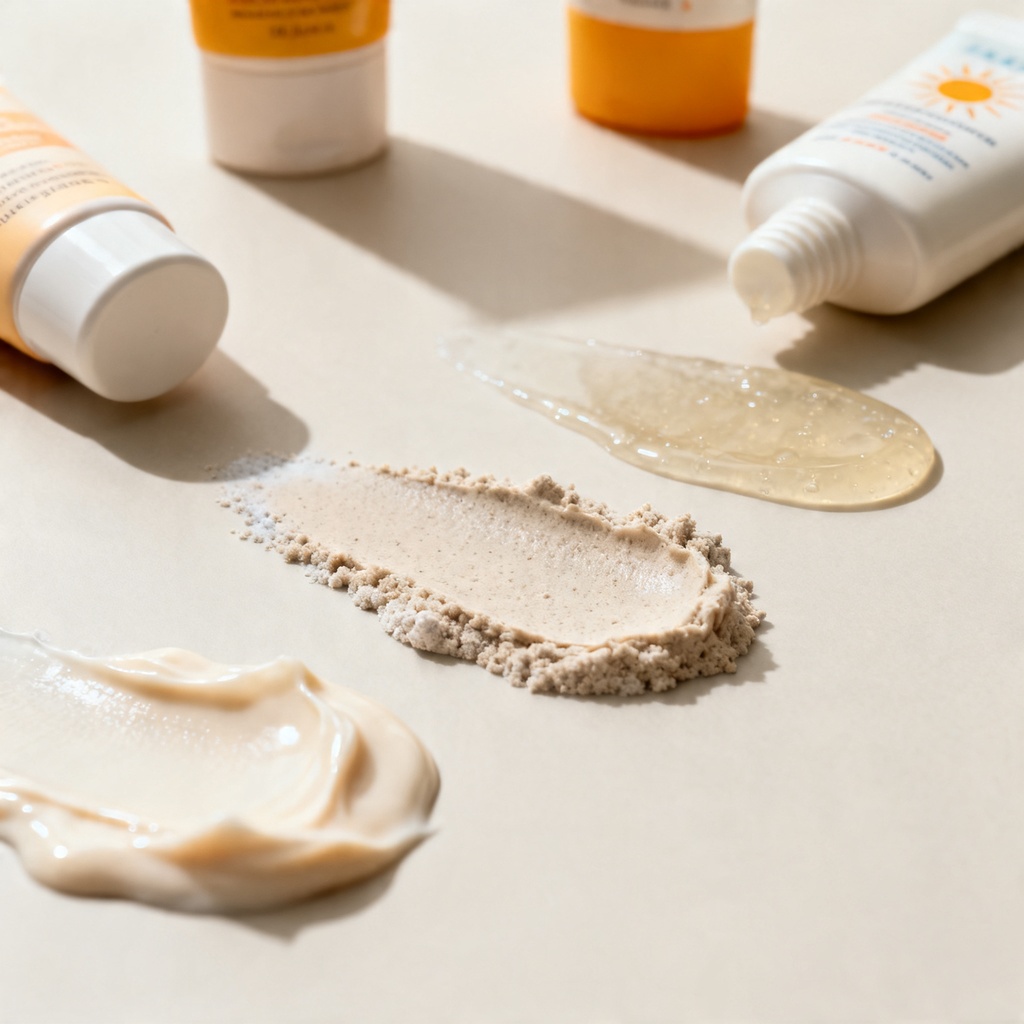
A: Yes, but indirectly. Sunscreen prevents UV-induced inflammation and the darkening of post-acne marks (hyperpigmentation), allowing your skin to heal more evenly. By protecting your skin barrier from sun damage, a good sunscreen for acne prone skin that doesn't clog pores creates a stable, less inflamed environment, enabling your primary acne treatments to work more effectively.
Q: How do I know if a sunscreen is truly non-comedogenic?A: Since the term isn't strictly regulated, you need to be a savvy consumer. First, check the ingredient list against known comedogenic agents. Second, look for additional labels like "oil-free" and "won't clog pores." Most reliably, seek out sunscreen acne prone skin reviews from credible sources and communities where people with similar skin types share detailed, long-term experiences. Consistent praise from those with oily, acne-prone skin is a strong indicator.
Q: I use retinoids for my acne. Does that change which sunscreen I should use?A: Absolutely. Retinoids increase photosensitivity and can make skin more reactive. A mineral sunscreen with zinc oxide is often the best choice in this scenario, as its physical blocking mechanism is less likely to cause stinging or irritation on sensitized skin. It provides a gentle, reliable barrier that is ideal for protecting skin that is already undergoing active treatment.
Q: What's the biggest mistake people make when choosing a sunscreen for acne-prone skin?A: The biggest mistake is chasing a high SPF number while ignoring formula compatibility. A lightweight, truly non-irritating SPF 30 that you apply generously and consistently every single day is infinitely more protective than a heavy, pore-clogging SPF 50 that you avoid using because it causes breakouts or feels terrible. Prioritize texture, finish, and skin tolerance over the highest SPF rating.
Q: Should I use a different sunscreen on my body if I have acne there too?A: It's a practical consideration. If your facial sunscreen is expensive, you can certainly use it on body acne (like on the chest or back). However, many affordable, well-formulated options from the best sunscreen for acne prone skin drugstore category are perfectly suitable for both face and body. The same principles apply: seek non-comedogenic, oil-free, and fragrance-free formulas to avoid clogging pores on other acne-prone areas.
📌 Love this guide? Save it on Pinterest!
Pin Acne-Safe Sunscreens 2026: No White Cast, Won't Clog Pores! to your board so you can come back to it later.

