
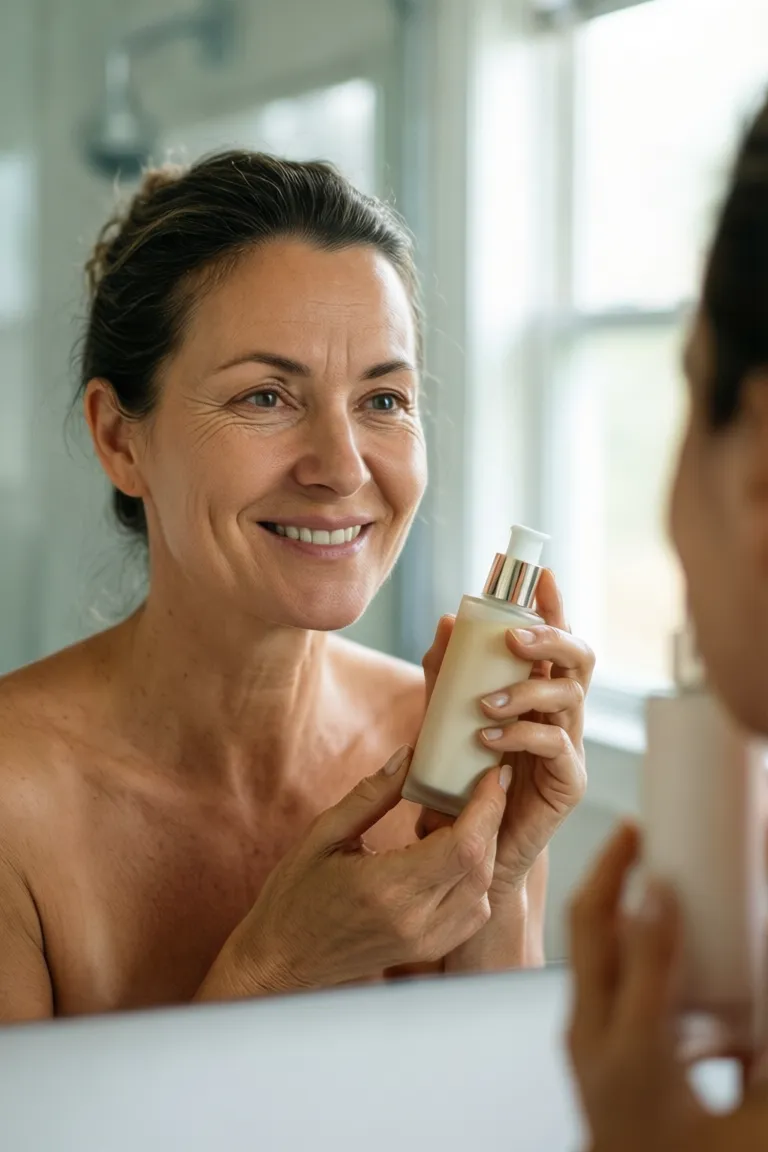
I’d finally found it. After years of cycling through serums and creams that promised the moon, my skin had found its match in Skinception. The fine lines around my eyes had softened, my complexion had a glow I hadn’t seen since my thirties, and for the first time in a long time, I felt confident without a full face of makeup. As a 48-year-old who’s kept a meticulous skincare journal for over a decade, this wasn’t just a product to me; it was a trusted partner in my routine. So, when my first bottle from the official website was running low, my inner bargain hunter kicked in. I thought I was being smart, savvy. I opened the Amazon app, typed in “Skinception,” and felt a little thrill seeing a lower price with Prime shipping. It seemed like a no-brainer. What followed wasn’t just a lesson in online shopping; it was a frustrating, disappointing journey that made me question everything I thought I knew about getting a good deal. This is my story of almost falling for the Amazon trap, and why my trust—and my skin—now exclusively belong to the official store.
My Skincare Journey: Why Skinception Became My Go-To (And My Initial Mistake)
My relationship with skincare has always been one of research and routine, a quiet ritual I’ve held onto since my twenties. But hitting my forties was like the rules changed overnight. Hydration didn’t just dip; it seemed to evaporate. Those little “expression lines” I’d laughed off decided to become permanent, faint etchings on my face. I wasn’t looking for a magic wand—I was looking for a scientist. That’s what drew me to Skinception. I spent a whole Sunday afternoon deep-diving into the science behind their key ingredients. Matrixyl 3000 and Argireline weren’t just fancy names; they were peptides with real, published clinical studies showing they could support collagen and soften repetitive muscle contractions. This wasn’t hope in a bottle; it was a hypothesis I was willing to test.
I took the plunge and ordered directly from their website, committing to a full eight-week trial. The initial positive results weren’t a sudden transformation. It was subtle. Around week three, my skin just felt… happier. More resilient. Less like parchment. By week six, the fine lines around my eyes, the ones I’d trace with my fingertip every morning, seemed just a bit softer, like someone had gently blurred the edges. The real moment of truth came when my husband, who is notoriously unobservant about these things, looked at me over coffee and said, “You look really well-rested lately.” In our household, that’s the highest compliment. It means the results were visible to someone other than just me, scrutinizing my reflection under the harsh bathroom light.
That deep, hard-won trust is precisely what led to my initial, and almost costly, mistake. Because I believed so wholly in the product and the results, I made a dangerous assumption: that any bottle labeled “Skinception” contained that same, carefully formulated elixir. I didn’t yet understand that the trust I had built was for the brand’s integrity—their sourcing, their quality control, their commitment to the formula—not just for their logo on a box. I learned the hard way that integrity has a very specific, non-negotiable address. I also learned that I feel ashamed of my stretch marks even after trying the best creams, and that sometimes, external factors can impact our perceived progress.
The Amazon Allure: Why I Thought I Was Getting a Deal (And What Went Wrong)
Let’s be honest, the perceived benefits of Amazon Prime and competitive pricing are incredibly seductive, especially for someone like me who prides herself on being a practical shopper. My first bottle was running low, and a little voice said, “Check Amazon.” There it was: the familiar box image, a price that was a solid fifteen dollars less, and that beautiful, addictive “Prime” badge guaranteeing delivery in two days. It felt like winning. I’d outsmarted the system. The listing looked legitimate, using the official brand photos, and the reviews were mostly positive, sprinkled with the usual “great product” and “fast shipping” comments. I was in a hurry, feeling clever, and I glossed over the most critical detail: it was sold by “HealthBeauty_Supplies,” not by Skinception.
How third-party sellers operate on Amazon didn’t even cross my mind. I’d bought from them before—a book, a phone case, a kitchen gadget. What could go wrong with a skincare serum? This was my specific Amazon purchase detail I blissfully ignored. I clicked “Buy Now,” a small smile on my face at my own frugality. The package arrived right on time, a nondescript Amazon bubble mailer tossed on my porch. Unboxing my first official bottle had felt like a ritual; this felt like receiving a utility bill. The excitement was gone, replaced by a mundane sense of convenience. Holding the box, I felt the first, subtle whisper of doubt—this experience felt transactional, not curated. I was just another order in a vast, impersonal fulfillment center, not a customer investing in a specific, personal result. I dismissed the feeling as silly nostalgia, but that was the first red flag I consciously chose to ignore, a decision I’d soon come to deeply regret.
Spotting the Red Flags: How My 'Bargain' Skinception Felt Different
The dissonance started the moment I held the box. The packaging had slight discrepancies that, individually, could be brushed off as a printing variation. But together, they told a story. The font on the side panel was a hair thinner, less crisp. The deep burgundy of the logo was slightly faded, like a photocopy of a photocopy. The seal under the cap, which on my original bottle had given a satisfying, firm snap, felt flimsy and tore unevenly. My heart sank a little, but I told myself I was being paranoid.
Then I pumped the serum onto my finger. The sensory differences were undeniable and deeply unsettling. The texture from my official bottle was a silky, slightly viscous liquid that felt luxurious and rich. This version was runnier, almost watery, and didn’t have the same cohesive “body.” The scent was the real alarm bell. My original had a faint, clean, almost clinical smell—barely there. This had a sharper, more alcoholic tang with a weird, synthetic undertone. The color variation was subtle, but to someone who’d studied it daily for months, it was there—a touch more opaque, less pearlescent.
The application experience sealed the deal. My real Skinception would sink in with a velvety finish, leaving my skin feeling nourished, not sticky. This Amazon version sat on top of my skin for a disconcerting moment, feeling tacky and strange. There was no immediate skin reaction, no redness or itching, which almost made it more sinister. It was just… wrong. Then came the crushing part: the utter lack of expected results. I kept a faithful before/after comparison in my journal. After a month of using the official product, my skin was plumper, lines softer. After a month of the Amazon bottle, my progress had not just stalled; it had reversed. That revived glow dimmed. My skin felt vaguely dehydrated again. I was using Skinception from my Amazon purchase and seeing no results. The evidence wasn’t just in my journal; it was staring back at me in the mirror every morning. It made me wonder if I eat healthy and still have wrinkles on my forehead, or if external product quality was the real culprit.
Navigating the Murky Waters: How Third-Party Sellers Operate
After my disappointing experience, I needed to understand how this could happen. I fell down a rabbit hole of research, and what I learned about how third-party sellers operate on Amazon was both enlightening and alarming. The marketplace is a vast, open ecosystem. Essentially, anyone with a seller account can list items. The critical concept I discovered is “commingled inventory.” This means that products from different sellers carrying the same Amazon barcode (ASIN) are often stored together in Amazon’s massive warehouses. When an order is placed, a worker simply grabs the nearest identical-looking item off the shelf. So, even if you meticulously select a seller with good ratings, the physical bottle that ships to you could have been supplied by a completely different, less scrupulous seller down the line.
Some sellers deal in legitimate overstock or returns. But others operate in a gray market, selling expired products, counterfeit items, or bottles that have been tampered with and diluted. There is zero chain of custody. You cannot trace the lineage of your specific bottle. For a pack of pencils or a phone charger, this might be an acceptable risk. But for a bioactive skincare serum, packed with delicate peptides and active ingredients that degrade with time, heat, or improper formulation, it’s an unconscionable gamble. The system is designed for convenience and cost, not for guaranteeing the purity and efficacy of what you’re putting on your face. Understanding this was a turning point for me—it wasn’t just bad luck; it was a structural flaw I had naively walked right into. The science behind effective skincare ingredients is complex, and their stability is paramount; a study on drug pipelines highlights the critical importance of maintaining product integrity throughout its lifecycle, showing Lessons learned from the fate of AstraZeneca's drug pipeline: a five-dimensional framework.
The Real Cost of a 'Deal': Why Authenticity Matters More Than Price for My Skin
This is where the true, painful calculation happened, far beyond the numbers on a receipt. The financial loss of wasting money on an ineffective product was annoying, yes. But it was the least significant part of the cost. The real expense was in potential skin health risks. Lying awake at night, I’d wonder: What was actually in this bottle? Were these unknown ingredients safe? Could they cause long-term damage or sensitize my skin, setting me back years in my skincare journey? Every application became laced with a low-level anxiety, turning my calming nightly ritual into a source of stress. It made me question does hydration really help get rid of fine lines around eyes or am I wasting money.
Then came the heavier emotional toll. The disappointment was profound. I felt foolish for being duped. I felt frustrated and angry that my hard-won progress had potentially been undone. I’d lost trust—not just in a marketplace, but in my own ability to be a savvy, careful custodian of my own skin. I’d let myself down. But the most expensive cost, the one you can never get back, was time. At 48, I don’t view skincare as mere vanity; I view it as proactive, essential maintenance. Those six to eight weeks I spent using the questionable Skinception from Amazon were six to eight weeks of delayed results. They were six to eight weeks of my skin not getting the support it needed. In the landscape of aging, that time is precious. The “deal” I got wasn’t a savings; it was a theft. It stole my peace of mind, compromised my skin’s safety, and wasted the one commodity I can’t replenish: my time.
Scientific Evidence
My Return to Trust: Why the Official Skinception Store Is Now My Only Choice
Chastened, resolved, and a whole lot wiser, I went back to the only source that had ever earned my trust: the official Skinception store. The act of ordering felt like a homecoming, a conscious choice to prioritize quality over convenience. When the box arrived, the difference was immediate. It wasn’t just a product in a mailer; it was an experience. The packaging was secure, branded, and thoughtful. Opening that new bottle, the guaranteed authenticity was evident in every sensory detail: the perfect, firm seal that snapped cleanly, the familiar silky texture, the faint, clean scent I remembered. It was like reuniting with an old friend.
But the benefits of buying direct extended far beyond the physical product. I now had direct, unambiguous access to official customer support. Any question I had was answered by people who knew the product inside and out, not a generic Amazon chatbot. Their return policies were clear and fair. I also discovered they often run exclusive offers and loyalty programs for direct customers. When you factor in bundle deals and subscriber savings, the value often surpasses any random, risky Amazon discount. Most importantly, I purchased something no marketplace can ever offer: profound peace of mind. The relief of knowing, without a shadow of a doubt, that I’m applying a safe, precisely formulated, and fresh product to my face is utterly priceless. My skin is back on track, and so is my confidence. I learned that for something as personal and vital as what I put on my skin, the only supply chain I trust is the shortest, most transparent one—the line that runs directly from the brand to me.
The Empowerment of Knowing: How to Protect Yourself and Your Skin
I share this story not to scare you, but to empower you. My frustrating journey taught me how to be a truly informed consumer. Here’s what I wish I’d known before I clicked “Buy Now.” First, view price as a signal, not just a savings. Premium skincare brands have strict pricing. If you see a Skinception Amazon price that’s drastically lower than the official site, it’s a major red flag. Authenticity has a cost, and deep discounts often mean corners were cut.
Second, become a label detective before you buy. Always, always check the “Ships from” and “Sold by” information on the listing. “Ships from Amazon.com” does NOT mean it’s sold by the brand. Look for “Sold by Skinception” or the brand’s official storefront. If the seller name is a jumble of letters like “TopGoods_2024,” proceed with extreme caution or just walk away.
Third, know what you’re looking for. When you receive a product, compare it meticulously to an authentic sample or the high-resolution images on the official website. Trust your senses—they are your best tool. If the consistency, smell, or performance feels off, it almost certainly is. Your skin is intelligent; listen to it.
Finally, understand your power. Your spending choices vote for the kind of marketplace you want. By purchasing directly, you support the brand’s continued research, innovation, and quality control. You ensure you get what you paid for. It’s the most powerful, proactive step you can take for your skin’s health and your own mental well-being.
| Where You Buy | What You're Really Getting | The Realistic Risk | My Verdict After My Experience |
|---|---|---|---|
| Official Brand Store | Guaranteed authenticity, fresh stock, direct customer support, full manufacturer accountability. | Virtually none. You get exactly what the brand intended. | The only choice for peace of mind and real results. Worth every penny. |
| Authorized Retailers (e.g., select department stores) | Likely authentic product, but stock may sit longer. Support varies by retailer. | Low, but check the brand's "Where to Buy" list first. Be mindful of product age. | A good option if you prefer in-person shopping, but verify authorization. |
| Major Online Marketplaces (e.g., Amazon, eBay) | A complete lottery. Could be real, expired, counterfeit, or diluted. Inventory is commingled and untraceable. | Very High. You are gambling with your skin's health and your money. | The risk profoundly outweighs any minor savings. I will never do this again. |
| Social Media Sellers / Random Websites | Extremely high chance of counterfeit or tampered goods. No reliable customer service. | Extreme. No recourse, potential safety hazards. | Avoid at all costs. The "deal" is always, always a scam. |
Frequently Asked Questions
Q: I think my Skinception from Amazon is fake. How can I be sure? A: Trust your instincts and your senses. Compare the packaging side-by-side with images from the official website—look at font weight, color vibrancy, and print quality. The most telling signs are in the product itself. If the texture is runny, the scent is stronger or chemically, it absorbs poorly, or—most importantly—you see no results from your Amazon purchase after a month of consistent use, you likely have a counterfeit or ineffective product. Your experience is valid.
Q: Is it ever safe to buy Skinception from a third-party seller? A: The structural risk is simply too high. Even if a specific third-party seller is well-intentioned, platforms like Amazon use commingled inventory. This means the bottle you receive may not have come from that seller at all, but from a different, unknown source in the warehouse. For a product with delicate, active ingredients, this lack of a guaranteed chain of custody is a deal-breaker. The only way to be 100% certain is to purchase from the official store.
Q: What should I do with a bottle I suspect is fake? A: Stop using it immediately. Your skin’s health isn’t worth the risk. Then, contact the third-party seller through Amazon’s system to request a return and refund, stating clearly that the product appears counterfeit or ineffective and did not perform as the authentic product does. You can also report the listing to Amazon. Finally, cut your losses and invest in a real bottle from the official store to get your skincare journey back on track.
Q: The official store seems more expensive. Are the deals worth the risk? A: This was my exact miscalculation. When you factor in the “real cost” of a fake—the wasted money, the wasted time, the emotional frustration, and the potential harm to your skin—the official price is almost always the better value. Plus, the official store often has bundle deals, loyalty discounts, and special offers that aren’t available elsewhere. Sign up for their newsletter. True value includes guaranteed results and peace of mind, which you simply cannot put a price on.
Q: Can I trust Amazon reviews to find a legitimate seller? A: Unfortunately, reviews are a flawed safeguard for this issue. Reviews can be manipulated, or they might be for a different batch of inventory. Many people may not realize they received a counterfeit, so they leave a positive review for a fake product. Others might complain it “didn’t work for them,” but that review gets lost in a sea of thousands. Relying on reviews for product authenticity is like using a broken compass—it might point in a general direction, but it won’t reliably guide you to safety.
📌 Love this guide? Save it on Pinterest!
Pin My Amazon Skincare Trap: Why I Only Buy Skinception Direct in 2026 to your board so you can come back to it later.

